




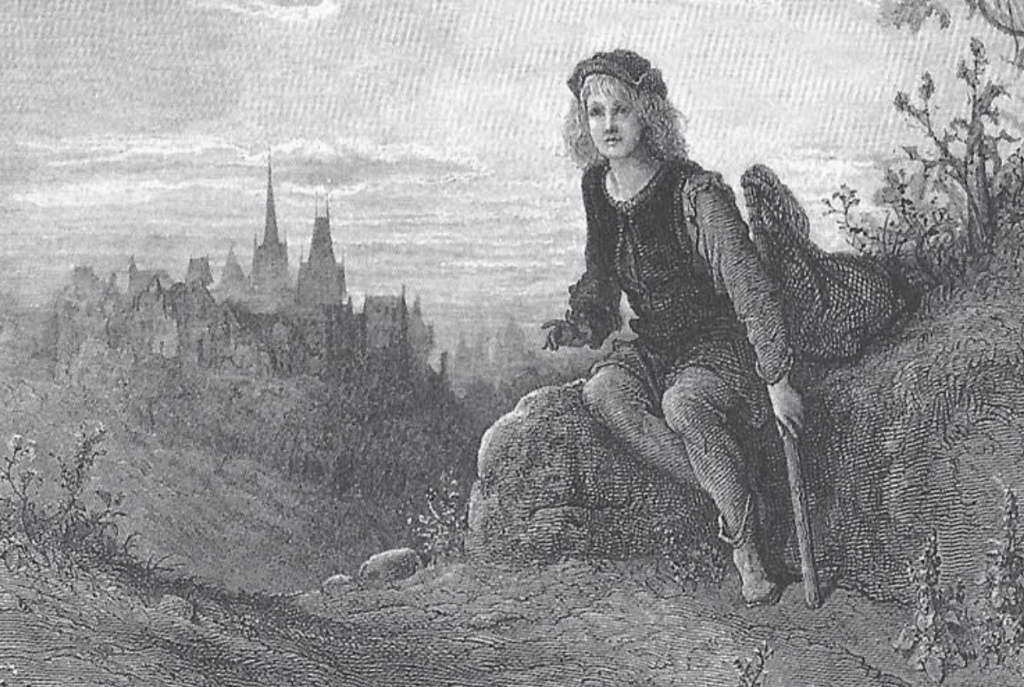
This next block of research I am going to report on has taken me back to Central London in the early 1800’s. This was a period where London was growing and many like Henry came to London to try their luck. There is a famous nursery rhyme about “Dick Whittington” who in the 1300’s went to London to find his fortune and ended up becoming the Mayor of London – Henry may even had heard the tale. He certainly feels like this sort of character. There must have been many thousands of them over the generations – leaving a very agricultural based tough life for the wonders of the city.
To provide some context for my closer relatives Henry is an ancestor on my great grandmother Ruby Colvin Morgan (nee Smith) maternal grandfathers side – Richard Colvin. Richard was brought up in Walworth and Bermondsey (South London). He was the child of a second marriage and his father was a young shoemaker who had moved to the city with his brother from Wadhurst in Kent.
Bermondsey where Richard spent much of his early years had thriving leather market and the family spent over 10 years of his childhood living in Pages Walk – which were tenements owned by the Guinness Family – who famously housed many of London’s Poor. These would have been single room dwellings on multiple stories. I have come to realise that this was a close family who were richly interconnected in their daily lives.
Henry Harris and his wife Sarah (possibly nee Chambers) were Richard’s grandparents. I have now tracked down tens of DNA matches to 4 of their children Mary, Susan, Sarah and Henry and I still searching matches to Louisa (whom the paper trail seems fairly solid for). There is also possibly a second Henry – Henry Richard Harris – who I am less certain was part of this family.
The DNA matches really prove and back up any paper trail. It is very gratifying to have such solid scientific evidence to back up such distant connections. It has certainly proved fascinating for me.
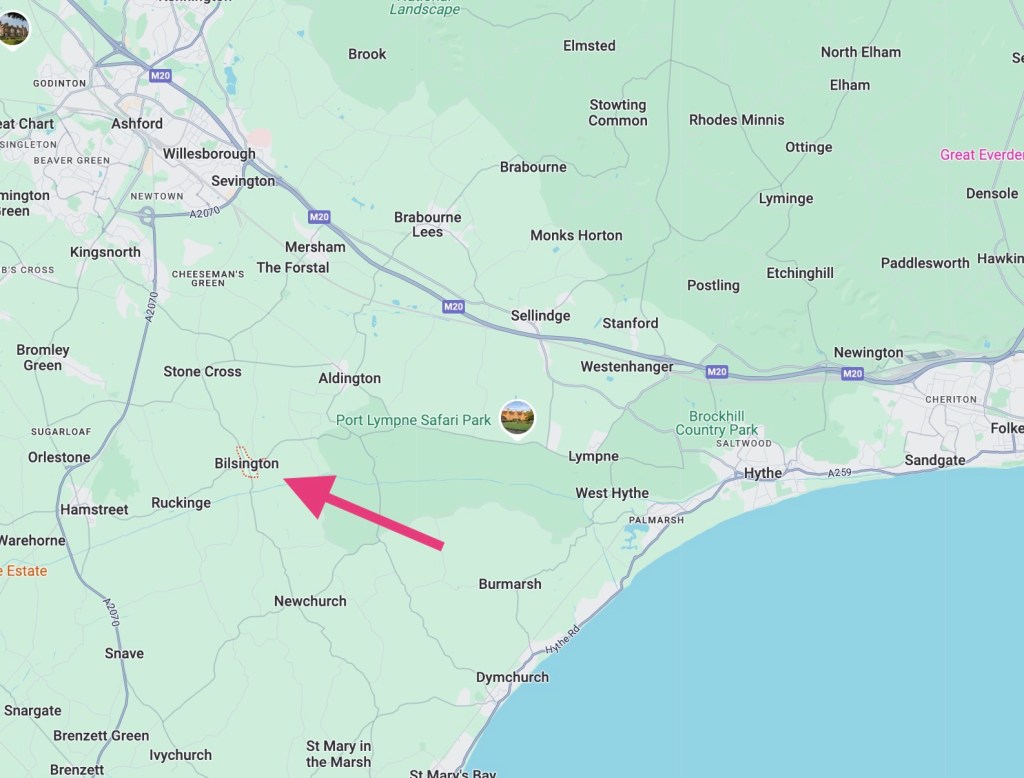
The earliest DNA matches I have traced that relate to Henry are to a Harris family in the village of Bilsington in Kent on the South Coast. So I believe that Henry came up to London from there. His parents may have been William Harris and Elizabeth (nee Colyer). About five different sets of DNA I have examined have connections to this Harris family so I think this is fairly conclusive.
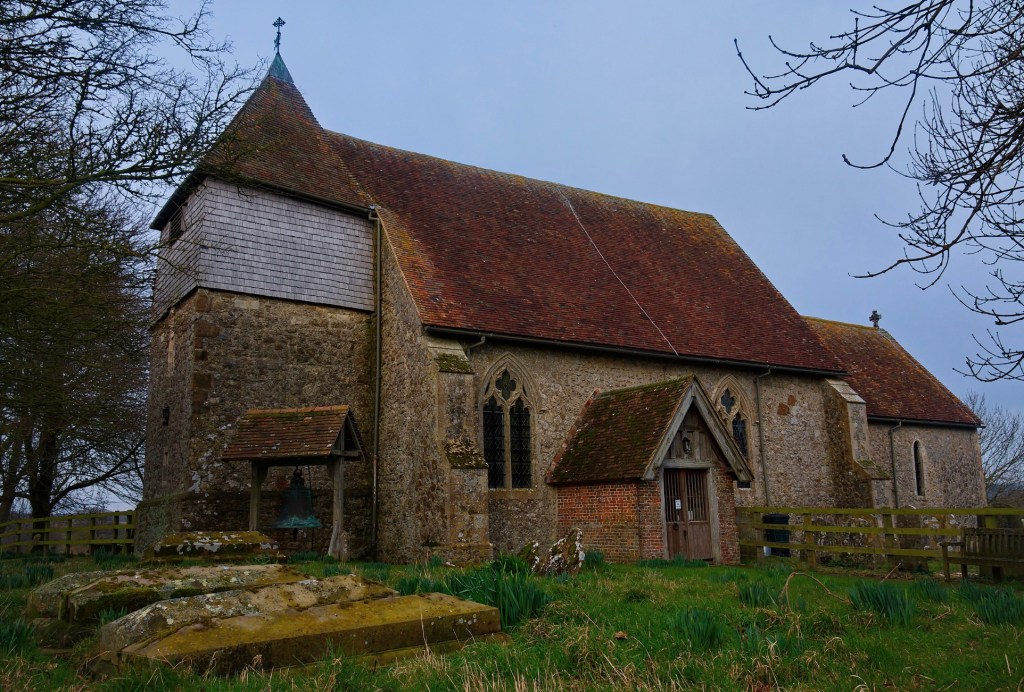
Bilsington lies within the Romney Marshes near the sea. The is characterized by flat, low-lying, marshland that was once a sandy bay. It is bounded by the English Channel and an ancient cliff-line and was predominantly agricultural.
The next village along is Aldington that became most famous around 1817 for the Aldington Gang who were a group of Smugglers who brought alcohol and other sundries from Boulogne across the channel. Apparently this “trade” had been going on in the area for a long time. Some of the names in the Harris family are linked to the “Bailey” family who were part of this gang. Many of the gang were eventually caught and deported to Tasmania.
So perhaps Henry was escaping the increasing tension in the area from the smuggling or perhaps he was just escaping a very tough rural life.
I have not been able to spot any links to other family members who moved to London with him either in the DNA record or in paper records. So I think he probably took the long lonely road up to London from the coast solo as a very young adult.
What we do know is that he managed to get a training to become a “Brass Founder” and ultimately a “Coach Plater”. This was somebody that made all the metalwork on carriages and coaches. The Coach building industry on Long Acre was at it’s zenith at this point. So it would have been an exciting time to be in this trade.
I believe he married his wife Sarah in Newington and they went on to live around Covent Garden and Great Wild Street/Drury Lane for most of their early married life. It looks like their youngest daughter Louisa married a coach spring maker. One of her census entries indicates that she was born in Long Acre itself. So maybe the family spent some time living right there.
Several of the children were baptised at St Martin in the Fields just off Trafalgar square.
His daughter Susan was married in St Clement Danes church in 1826- now famously the RAF church – right on the Strand close to Covent Garden – the flower market (made famous by the musical “My fair lady”).
The family moved to Walworth in the 1830’s – their daughter Susan Phillis Harris (my ancestor) was married to a William Rycroft who was involved in the Printing Industry. The printing industry was moving out to the Walworth area at this time… it was still a green and leafy area with lots of fields at that point. Although probably also quite marshy and damp. The housing were small terraces.
The streets the family lived on East Street, Trafalgar Street, Camden Street, Portland Street and Burton Street in Walworth. Charlie Chaplin’s mother would have been a contemporary of the family. Both she and later Charlie himself were brought up on East Street. Charlie Chaplin described it as an area of terrible deprivation.
Henry died at in 1832 in Camden Street (off East Street) – his son-in-law William Rycroft also died on Camden Street 6 years later in 1838. Henry was fifty years old.
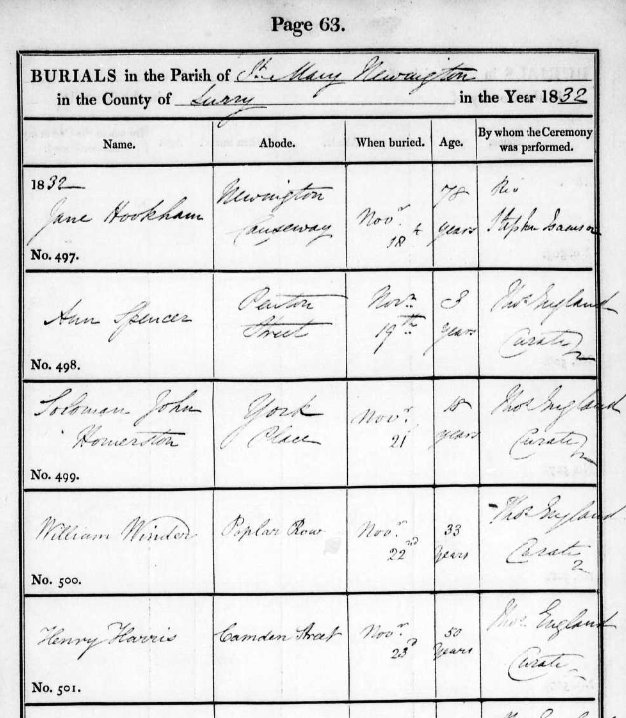
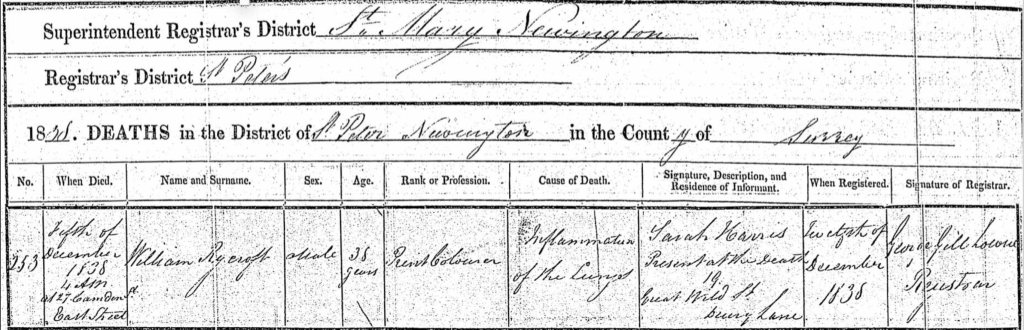
In terms of evidence for his trade as a Coach Plater Sarah’s death certificate and two of Henry’s children’s wedding certificates describe Henry as a Coach plater, Plater and Brass Founder respectively. These are all descriptors for the sort of work he did.
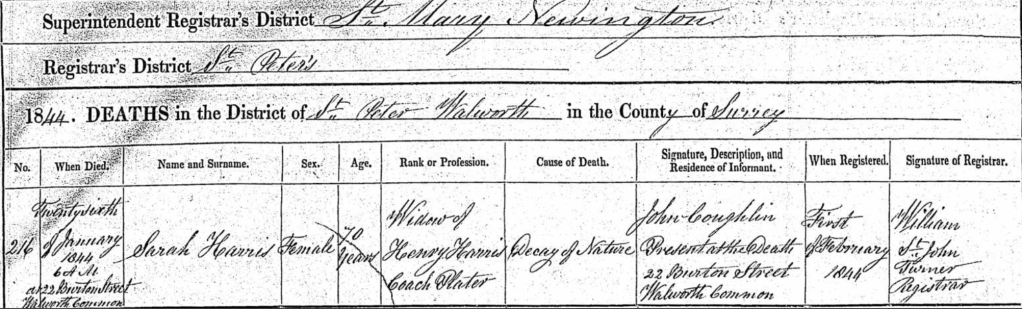
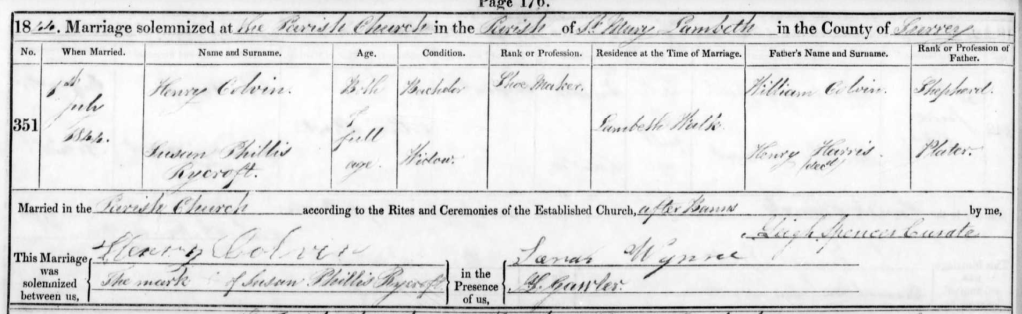
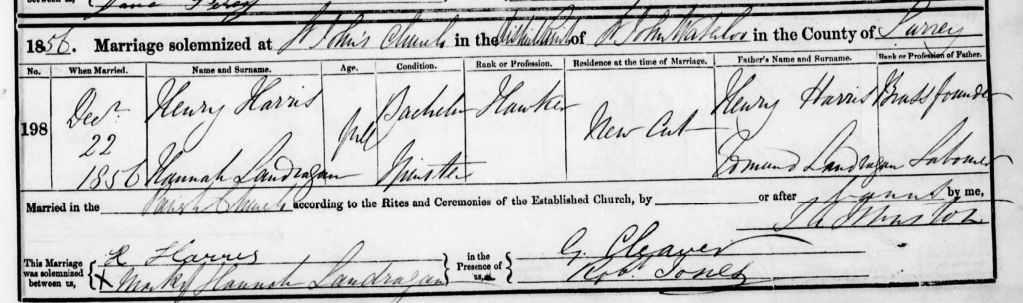
In my research I have now uncovered hundreds of descendents of Henry and Sarah. In the posts that follow I will try to tell the tale of their families. I’ll also describe a bit about my journey to find this information. This has been an adventure in using DNA matches from multiple relatives to dig deep into history. I am very grateful to the many fellow descendents of Henry who have shared their DNA with me so that I can unpick the tale of Henry and Sarah and their legacy.
Some of the subsequent generations of Henry’s family literally experienced the very worst of 1800s London spending long periods in the workhouses. One family was in the notorious St Pancras workhouse which Charles Dickens used as a reference for Oliver Twist. Other families did somewhat better making their way into more solid trades and better futures for their descendents.
In summary this is a story of often humble lives and hard endeavour. I am genuinely proud to be descended from Henry and Sarah and also proud of our wider family who made such varied journeys out into the world. My ancestor Richard joined the army and what followed were three generations of family linked to Egypt. His is a journey that really shows how the Army often provided a way up in the world for those who had really tough starts.
Other siblings and cousins were to take many other disparate routes into the future some travelling to Australia, Canada, the USA and South Africa.
 View Posts Index
